Sundar Pichai on Google’s AI overhaul, Search changes, and AGI timeline
· Nilay Patel
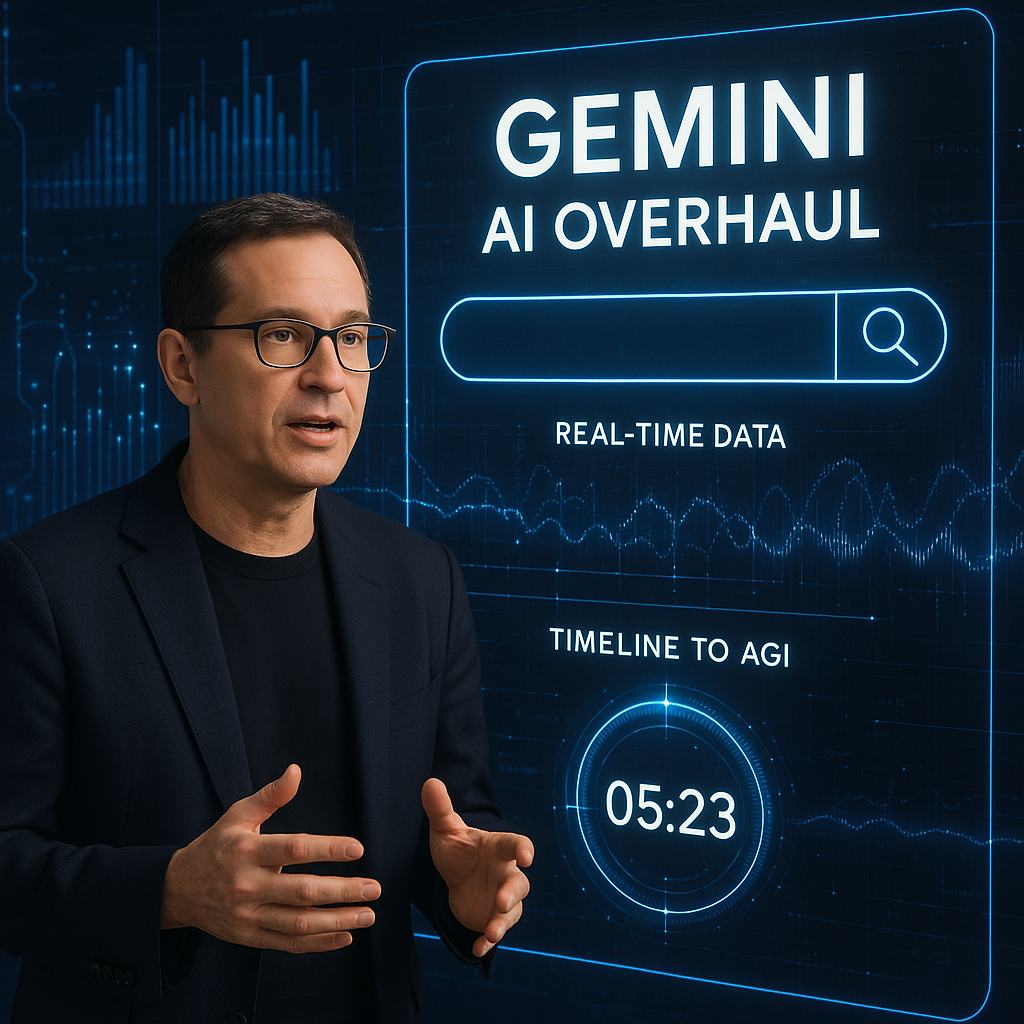
Sundar Pichai came back on Decoder for his fifth annual post-IO interview, and Nilay Patel started by asking him how Google is actually structured these days.…
Sundar Pichai came back on Decoder for his fifth annual post-IO interview, and Nilay Patel started by asking him how Google is actually structured these days. Pichai broke it down into three main businesses: Search, YouTube, and Google Cloud, plus the big computing platforms like Android and Chrome, all powered by Google DeepMind and their infrastructure teams. He admitted that after the ChatGPT moment a few years ago, he realized the company needed to reorganize to move faster. That meant merging Brain and DeepMind into one AI team, centralizing infrastructure, and putting Search under fewer leaders to speed up decision making.
Patel pressed him on the tension between Google's culture of shipping lots of overlapping products versus the need for focus. Pichai argued that the AI moment actually helps here, because a common Gemini model can power everything consistently. He also said most decisions aren't that consequential, and the real trick is just making them quickly to keep the company moving.
The conversation then turned to search changes and the web. Patel showed Pichai a search result for "best Chromebook" where the AI overview gave one answer, Reddit gave another, and The New York Times gave a third. Pichai admitted that experience was "more opinionated than it should be." When Patel brought up Condé Nast's CEO telling his teams to plan as if search traffic will go to zero, Pichai pushed back gently, saying publishers have been adapting for years and Google is committed to connecting users to quality content. He also hinted that future search will blend the new intelligent search box with Gemini's agent platform, so searches can trigger tasks instead of just returning links.
Finally, they wrapped up with Demis Hassabis closing IO by saying we're in "the foothills of the singularity." Pichai agreed with that framing, but said the exact timeline to AGI doesn't really matter. What matters is that the technology is progressing so fast that we need to start preparing for it now, whether or not we call it AGI in three years.