How AI and Machine Learning Are Securing Cardless Banking
· Md Israfeel
A new paper on arXiv outlines a framework for cardless AI banking that aims to replace traditional physical cards with auto generated virtual ones.…
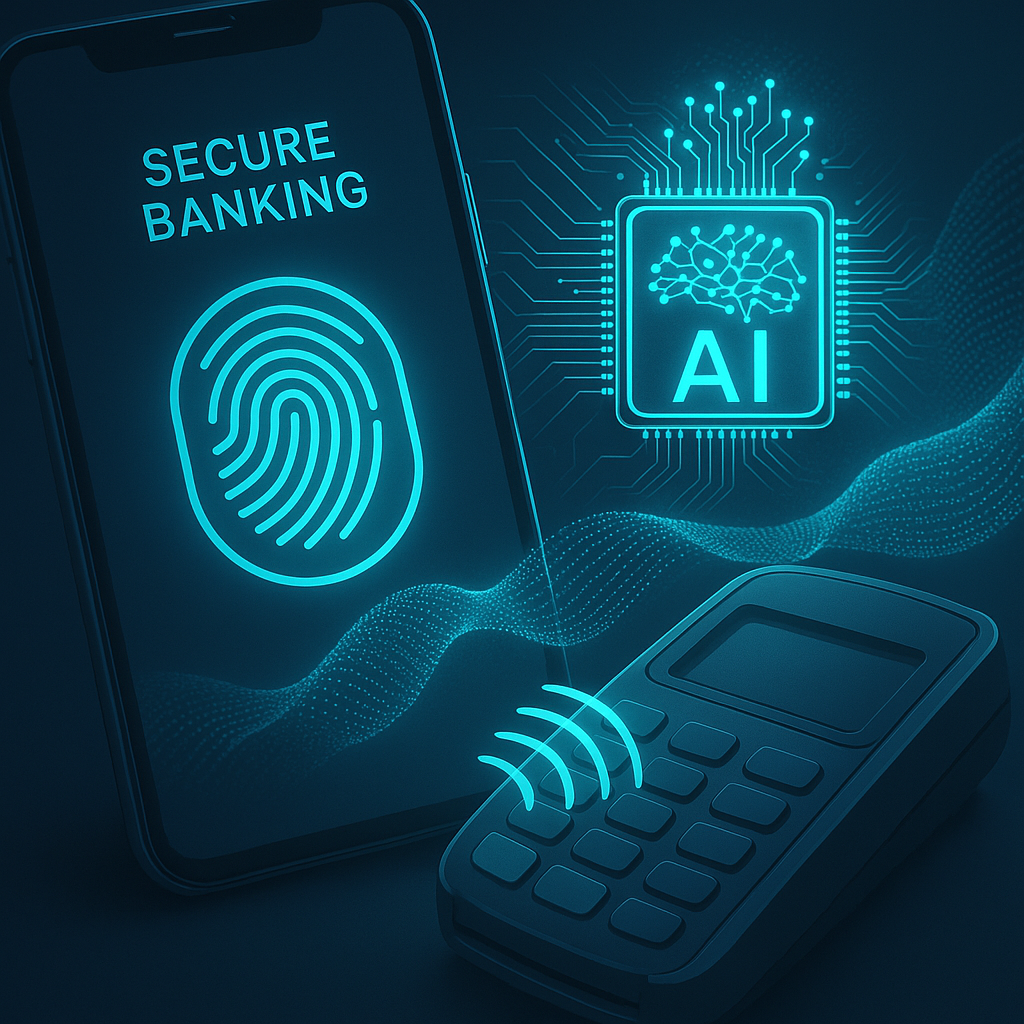
A new paper on arXiv outlines a framework for cardless AI banking that aims to replace traditional physical cards with auto generated virtual ones. The idea is to use AI powered data cryptography to create these virtual cards for each transaction, keeping the real account details hidden from vendors. The system would rely on secure communication channels between banks, cardholders, and third parties, with AI based authorization checking every transaction in real time. If something looks off like an unusual purchase location or amount the system flags it as potential fraud before the money moves.
The framework also introduces a machine learning algorithm that adds another layer of protection. It learns from spending patterns and adapts over time, making it harder for fraudsters to slip through. The initial design already includes a feature based banking system that encrypts card data, so even if a vendor gets hacked, the stolen information is useless. This reduces how much personal data gets exposed during everyday purchases.
This matters because traditional banking security often relies on static numbers and passwords, which are easy to steal or clone. By moving to a dynamic, AI driven model, the hope is to cut down on fraud while making transactions more seamless for users. The paper envisions a future where you don't need to carry or even remember a card number. Your identity and authorization live in the system itself.
The key takeaway? Cardless AI banking could make fraud much harder to pull off, but the real test will be whether banks can deploy this at scale without introducing new vulnerabilities. If they can, the days of swiping plastic might finally be numbered.