How Turkey Engineered a Billion-Dollar Hair Transplant Tech Boom
· Levent Daşkıran
Turkey’s hair transplant industry is worth a billion dollars, and it didn’t get there by accident. The country has turned hair restoration into a high tech operation.
Turkey’s hair transplant industry is worth a billion dollars, and it didn’t get there by accident. The country has turned hair restoration into a high tech operation. Specialized motors are now standard in extraction tools, and machine learning algorithms help map out the most natural looking hairline for each patient. It’s not just about volume. The industry has pushed constant innovation to stay ahead.
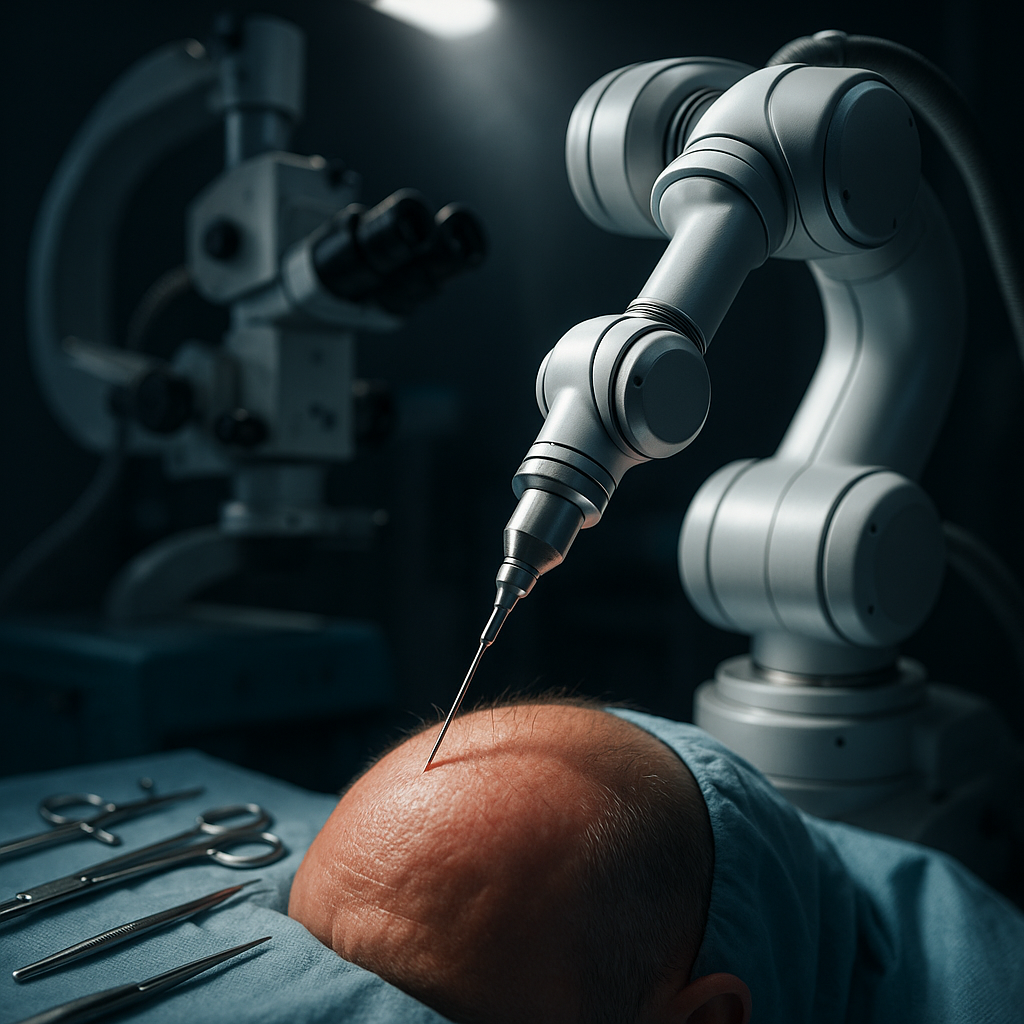
What makes Turkey’s approach stand out is how it scaled. Clinics in Istanbul and Ankara treat thousands of international patients every year. Prices are lower than in the US or Europe, but the real draw is the mix of medical skill and engineering. Surgeons work with robotic assisted devices that can harvest follicles with minimal scarring. Some clinics even use AI to predict how hair might thin years from now, then plan the transplant accordingly.
The data side matters too. Machine learning models train on thousands of before and after photos. They learn what patterns look natural across different face shapes and hair types. A few clinics let patients scan their scalp with a smartphone app to get a simulation of the results. No guesswork, just a prediction based on real outcomes.
Of course, not every clinic uses the same level of tech. The industry is still maturing, and some places chase profit over precision. But the leaders are setting a new standard. They treat hair transplants like an engineering problem, not just a cosmetic fix.
The big takeaway: Turkey’s hair transplant boom shows how far medical tourism can go when you blend surgery with software. If this keeps up, the next frontier might be fully automated procedures, where a machine does most of the work and the surgeon just supervises.