C3 AI agents power Shell’s shift to automated predictive maintenance
· Ryan Daws
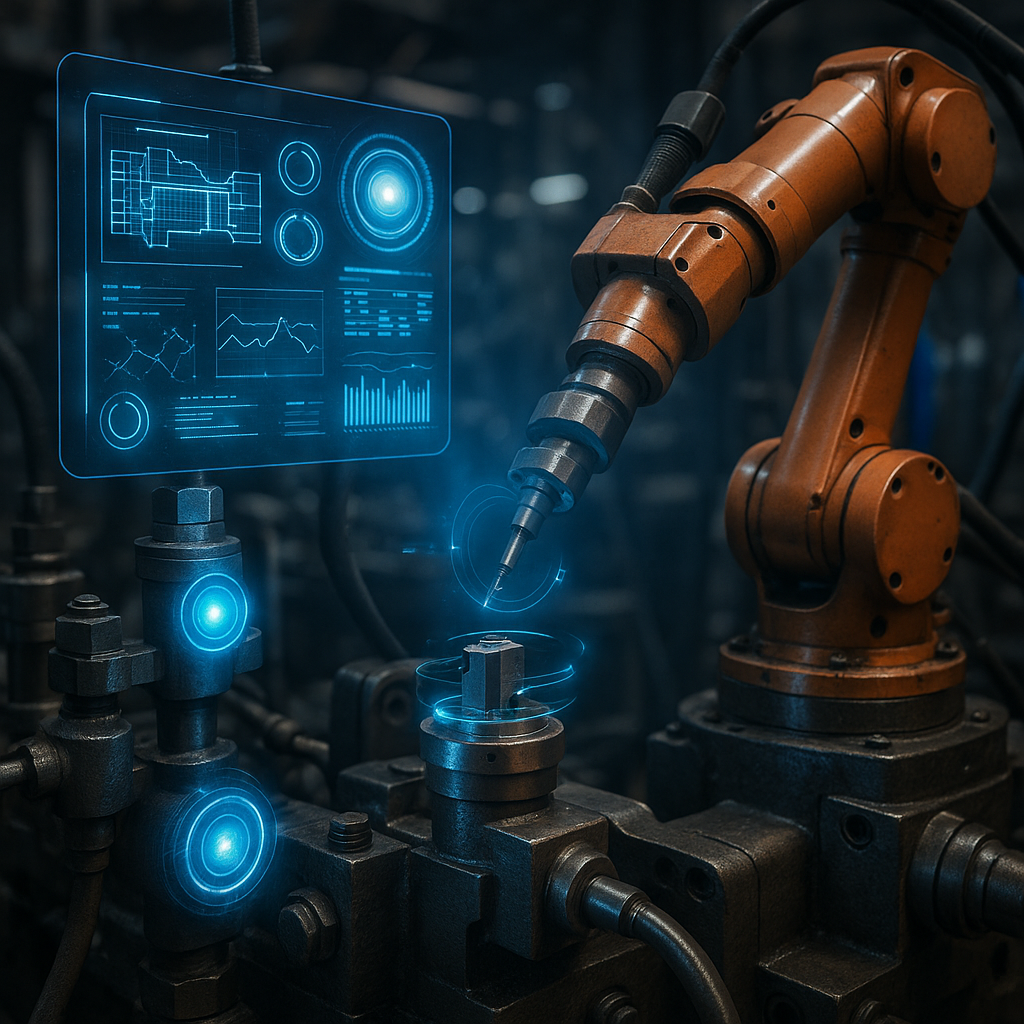
Shell is taking its partnership with C3 AI to the next level. The oil and gas giant has been using the C3 AI Reliability Suite to monitor over 30,000 critical pieces of equipment…
Shell is taking its partnership with C3 AI to the next level. The oil and gas giant has been using the C3 AI Reliability Suite to monitor over 30,000 critical pieces of equipment across its upstream and downstream operations. That system was already catching basic anomalies. Now Shell wants to go much further. It plans to deploy AI agents from C3 AI to handle fully automated predictive maintenance.
What does that mean in practice? Instead of just flagging a weird vibration or temperature spike, the system will decide what's likely to break and when. It will then dispatch the right maintenance alert automatically, without waiting for a human analyst to interpret the data. Shell is essentially trying to move from "hey, something looks off" to "we know exactly what needs fixing and we're handling it."
The shift makes sense for a company running thousands of pumps, compressors, and valves across refineries and drilling sites. Any unplanned downtime costs millions. Automating the predictive side could let Shell catch failures before they happen, prioritize repairs, and keep equipment running longer between shutdowns.
C3 AI's agents act like specialized digital workers. Each one handles a specific task analyzing sensor data, cross referencing maintenance records, or triggering work orders. Shell is stacking them together into a system that mimics how an experienced reliability engineer would think, but at machine speed and scale.
The big question is whether this actually works at the scale of a global supermajor. Shell clearly thinks so, and they've got the data to back it up from their existing deployment. If this pans out, expect more energy companies to follow suit.