SpaceX Starship V3’s First Flight Succeeds, But Orbital Test Awaits
· Stephen Clark
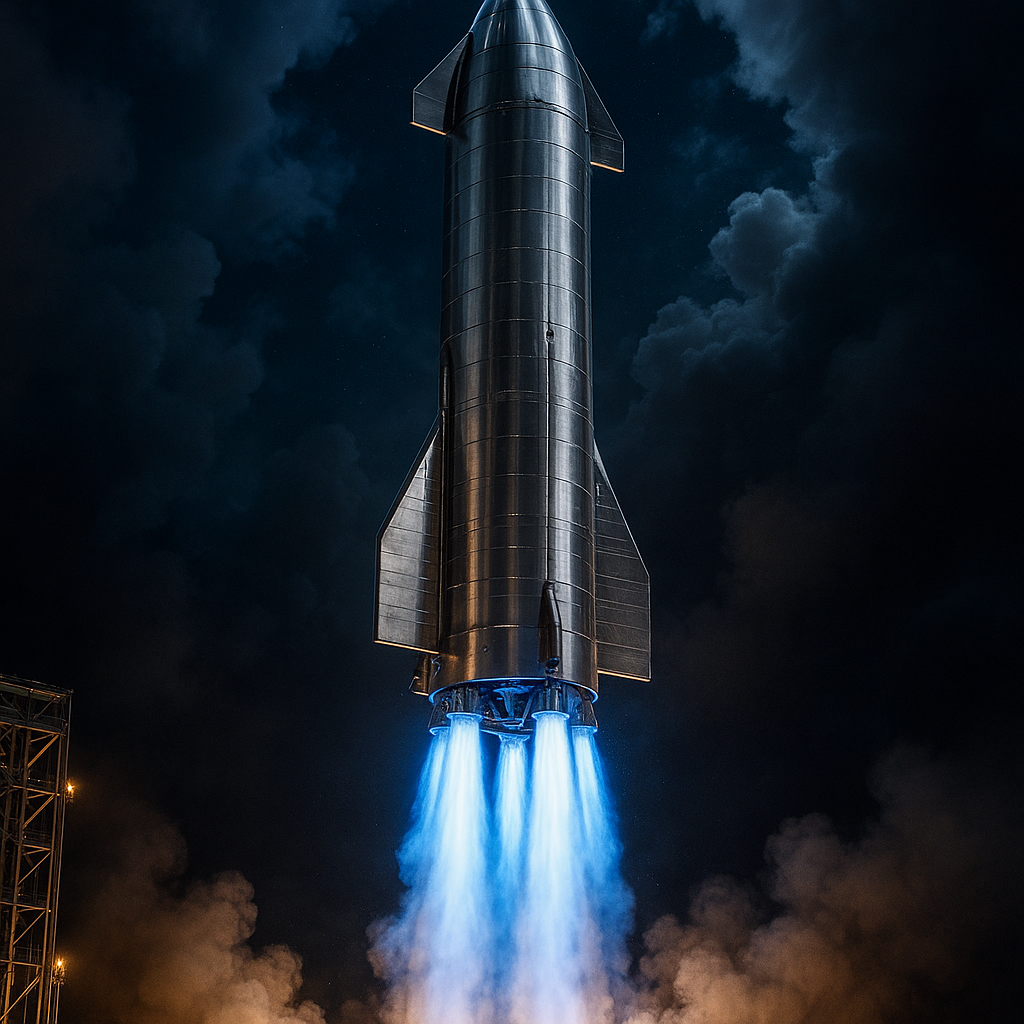
SpaceX has a lot more to prove before its Starship vehicle is ready for a full low-Earth orbit mission.…
SpaceX has a lot more to prove before its Starship vehicle is ready for a full low-Earth orbit mission. The company has been making headlines with dramatic test flights and explosive endings, but the path to orbit is still strewn with technical hurdles. Elon Musk's team needs to demonstrate that the massive stainless steel rocket can survive the intense heat of reentry and perform a controlled landing. So far, the high-altitude tests have shown promise, but also plenty of failures. The last Starship prototype managed to fly, flip, and land upright, only to explode minutes later.
The timeline for an orbital attempt keeps shifting. Musk initially aimed for a 2021 launch, then early 2022. Now the company is targeting a test flight later this year, pending regulatory approval from the FAA. That approval hinges on a completed environmental review, which has been delayed multiple times. While SpaceX has mastered landing its smaller Falcon 9 boosters, Starship is a different beast entirely. It's the tallest rocket ever built, with 33 Raptor engines firing in unison. Getting all of them to work reliably in flight is a monumental challenge.
The stakes are high. Starship is designed to carry cargo and crew to the Moon and Mars. NASA has already selected it for the Artemis program, hoping to use a variant as the lunar lander. But before anyone dreams of deep space, SpaceX has to prove the basics. Engineers need to show the Super Heavy booster can separate cleanly from the upper stage, and that the ship can survive orbital velocity temperatures. A single engine failure or guidance glitch could end the mission in seconds.
The next few months will be critical. If the environmental review clears and the hardware looks ready, we could see Starship attempt its first orbital flight before the end of 2023. Success would be a massive leap. Failure would push the timeline back by at least a year. For now, SpaceX has a lot more to prove.